
“By These, As Testimonials That I Have Lived,I Wish To Be Most Remembered.” Thomas Jefferson
Martin Luther posts his Theses
Who’d da thunk?
Thomas Jefferson and presidential buddy Xi Jinping share something in common.
Who’d da thunk?
They (were)/(are) “bible rewriters.”
Let us diverge into the morass of History…. ‘Cause sometimes diverging opens the road to clarity and insight.
Three months after penning the initial draft of the Declaration of Independence, Thomas Jefferson was appointed by the first Virginia General Assembly to review and redraft the laws of the newly independent colony. Jefferson assumed responsibility for writing the majority of the committee’s 126 proposals, many of which the Assembly neither considered not adopted.
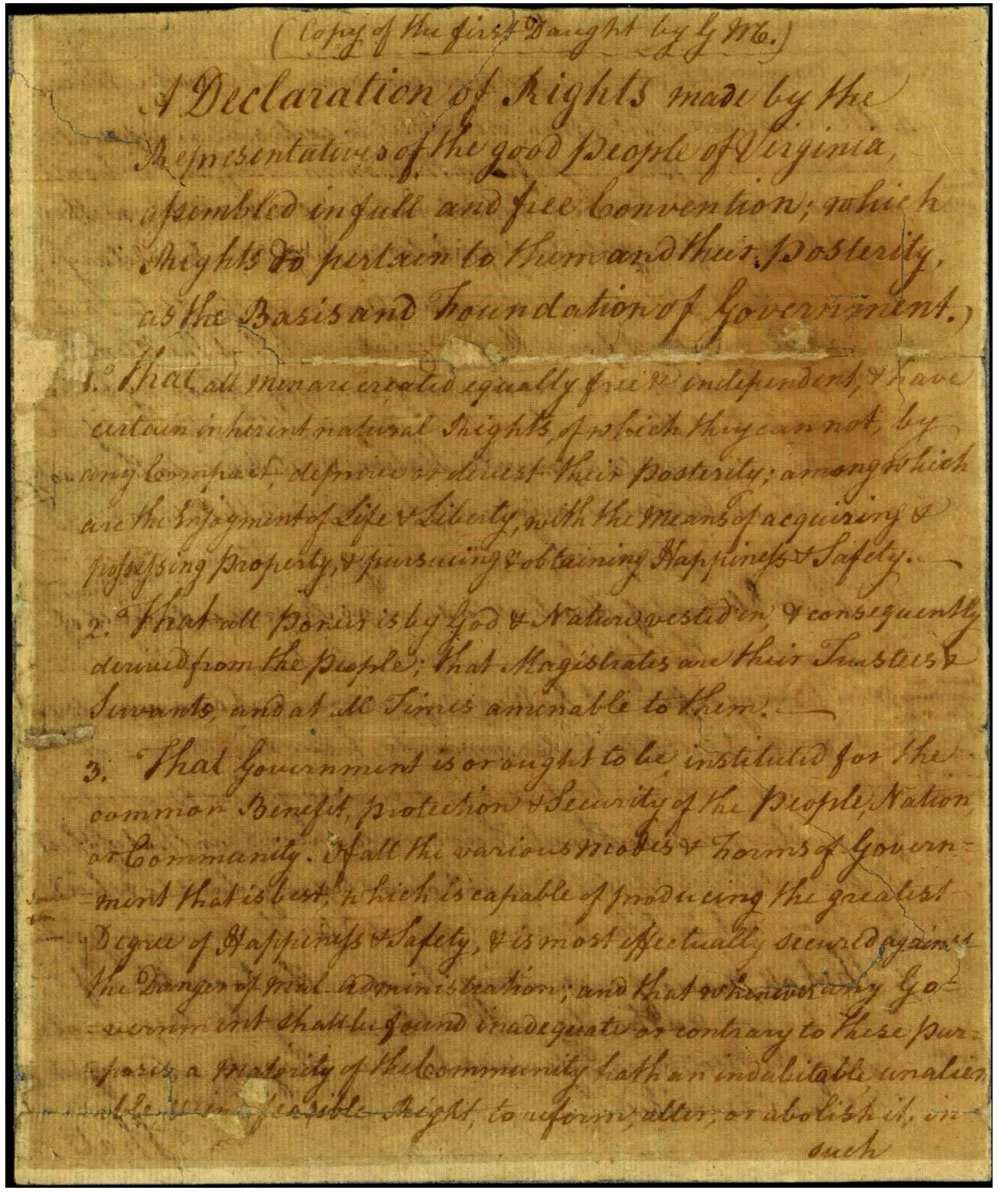
Before Jefferson’s election as the third president of the United States and while he was representing the new nation in France - negotiating commercial treaties and then (1785 – 1789) as the American Minister France, James Madison (who succeed Jefferson as the fourth president (1809-1817) guided Bill No. 82 to final adoption in 1786:
Article I. Bill of Rights
Section 16. Free exercise of religion; no establishment of religion
That religion or the duty which we owe to our Creator, and the manner of discharging it, can be directed only by reason and conviction, not by force or violence; and, therefore, all men are equally entitled to the free exercise of religion, according to the dictates of conscience; and that it is the mutual duty of all to practice Christian forbearance, love, and charity towards each other. No man shall be compelled to frequent or support any religious worship, place, or ministry whatsoever, nor shall be enforced, restrained, molested, or burthened in his body or goods, nor shall otherwise suffer on account of his religious opinions or belief; but all men shall be free to profess and by argument to maintain their opinions in matters of religion, and the same shall in nowise diminish, enlarge, or affect their civil capacities.
Informed of the blll’s passage, Jefferson had it translated into French and Italian and distributed as widely as possible. He considered it so important that he directed it to be one of the three achievements on the obelisk erected over his grave:
"... on the faces of the Obelisk the following inscription, & not a word more:
Here was buried Thomas Jefferson
Author of the Declaration of American Independence
of the Statute of Virginia for religious freedom
& Father of the University of Virginia
because by these, as testimonials that I have lived, I wish most to be membered."
Significant for supporters of religious freedom and those who opposed christian nationalism in 2026 is the fact that Madison’s efforts – and by extension Jefferson’s Bill No. 82 - were strongly supported by religious dissenters (primarily Presbyterians and Baptists) who had suffered under the established Church of England/Anglican in Virginia and who desired religious freedom and separation of church and state.
[EDITORS’ NOTE:
Please go back and reread that last paragraph. Virginia Christians – “primarily Presbyterians and Baptists” - suffered persecution and ostracism under the “established’” church of Viginia – the American branch of the (Anglican/
Episcopalian) Church of England. Ask yourself, please: “If christian nationalists gain dominance and control in the United States today, will other Americans - Mormons, Seventh Day Adventists, Jews, Muslim, Roman Catholics whose pope knows way more about theology and Sacred Scripture and the Fathers of early Christianity than JD and DJT combined, Lutherans, Methodists, Christian Scientists, folks who are “spiritual but not religious,” and others - suffer persecution and ostracism.
Damn straight they will!
The nominal leader of the micro-denomination of the Secretary of Defense has repeatedly said husbands should control the vote of their wives and exercise the franchise for the entire family. And don’t forget he wants wives to be “submissive” to their husbands ‘cause that’s what it says in the Bible.]
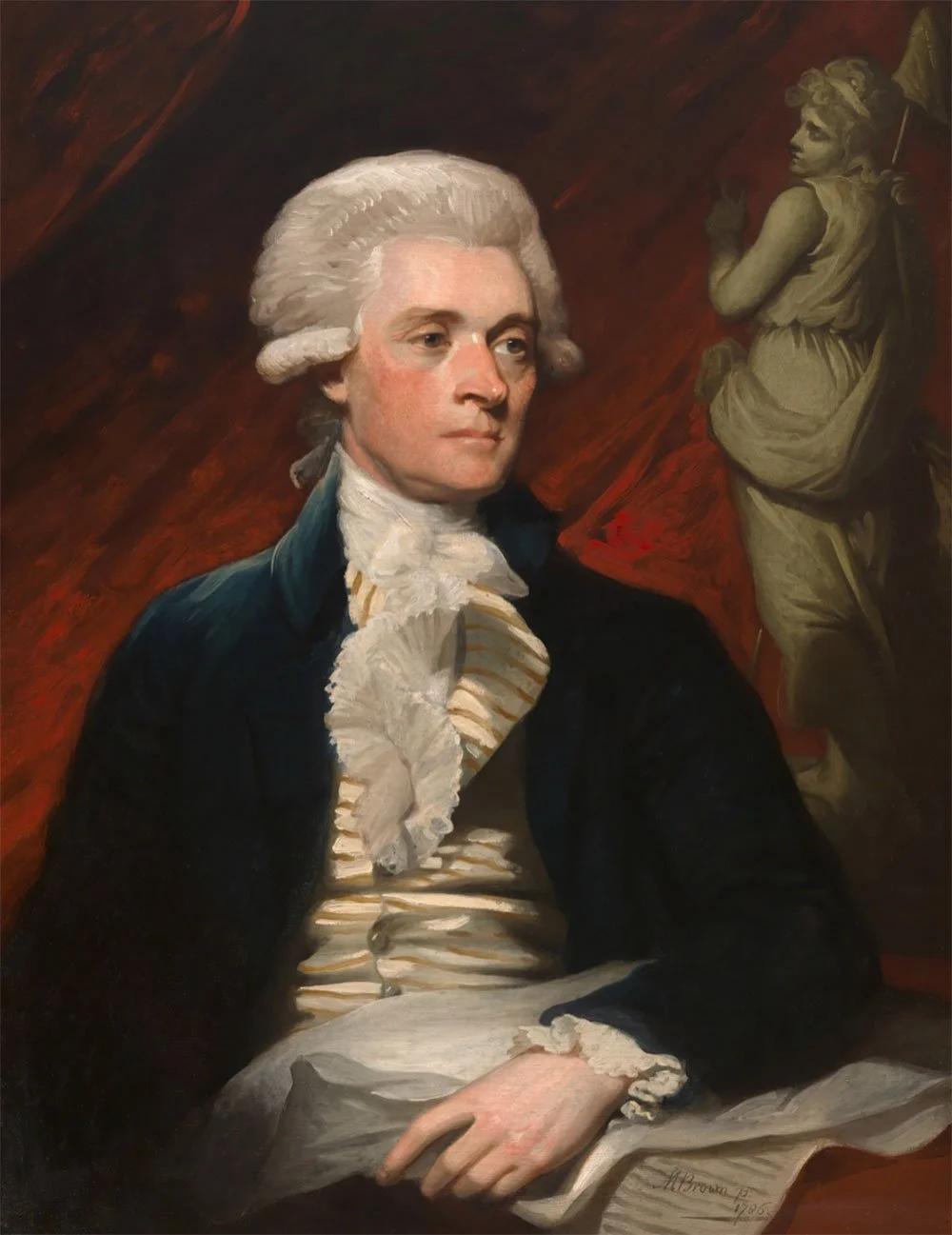
Thomas Jefferson
Founding Father Madison described the Virginia Statute for Religious Freedom as “a true standard of Religious liberty: its principle the great barrier agst. usurpations of the rights of conscience. As long as it is respected & no longer, these will be safe.” (James Madison, "Detatched Memoranda," ca. January 31, 1820, in The Papers of James Madison, Retirement Series.)
The Virginia Statute was not Jefferson’s only foray into the world of religion.
During the fall and winter of 1819 - 1820, the 77-year-old used a razor to cut passages from six copies of the New Testament – one each in Greek and Latin, two in French and two in English – and rearrange selected verses, sans any sign of the miraculous or supernatural, in order to leave only the life and teachings of Jesus – The Life and Morals of Jesus of Nazareth, popularly known as The Jefferson Bible..
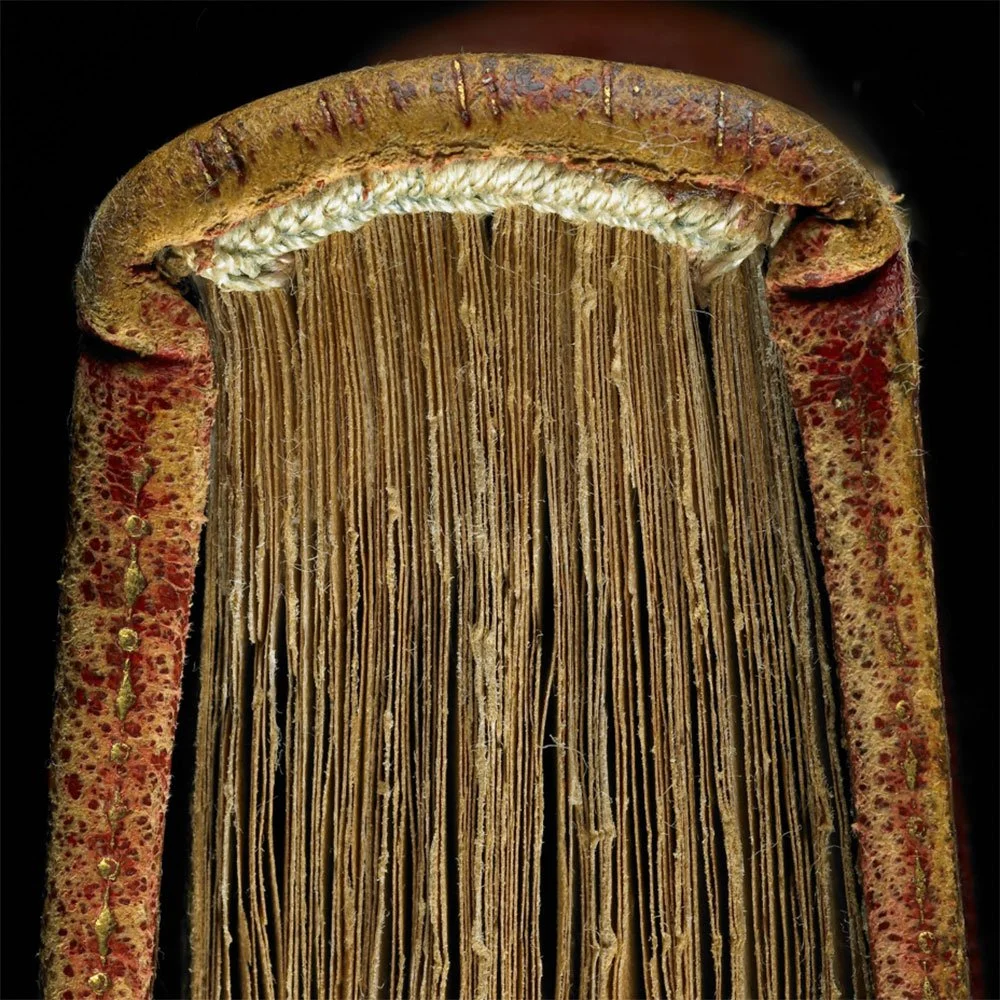
Jefferson’s red leather-bound 86-page book, ornamented with gilt tooling, served as his nightly reading and he is reported to have argued that his efforts to reduce the Gospels to their core message stood as proof that he was in fact a “real Christian, that is to say, a disciple of the doctrines of Jesus.”
But, but, but…
Yup! It’s true. According to a copy of one of his speeches, the octogenarian and self-described “thorough deist” Benjamin Frankin queried “How has it happened that we have not, hitherto once thought of humbly applying to the Father of Lights to illuminate our Understandings?” While a few delegates seconded his motion, it fizzled and, at the bottom of his prayer speech, Franklin noted “The Convention except three or four Persons thought Prayers unnecessary!’” (“The Complicated Religious Life of Ben Franklin,” Baylor Magazine, May 26, 2017, Thomas S. Kidd)
“The Convention except three or four Persons thought Prayers unnecessary!’”
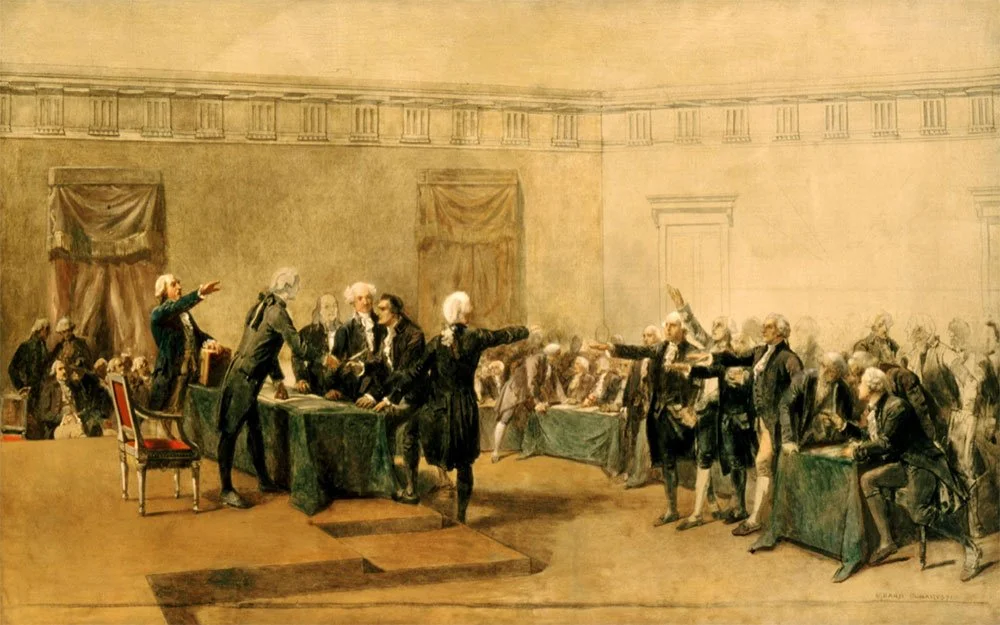
While delegates to the Continental Congress decreed that the Declaration be widely “proclaimed,” it was not universally celebrated and religion was one of the dividing points. “Loyalists” and American adherents to the official Church of England dissented on spiritual and political grounds. Two-thirds of the Church ministers left the colonies after the Revolution began and, clearly, not all slave owners agreed that all men are “endowed by their Creator with certain unalienable Rights.”
The Declaration listed 27 complaints against King George III but used only four terms for God. While Jefferson’s original drafted stated “We hold these truths to be sacred and undeniable,” Benjamin Franklin’s edit – “self-evident” – reflected his self-description as a “thorough deist,” believing in God as the architect of the universe who established natural laws and expected humans to live moral lives. Franklin did not believe this Creator intervened in daily life or answered prayers in a traditional sense. Despite being born into a strict Puritan family, he was skeptical of religious doctrines and – like Jefferson – admired the moral and ethical teachings of Jesus.
In the final paragraph of the Declaration, Congress added a mention of “the Supreme Judge of the world” – a bland description that would be acceptable to almost all religious and political leaders. The closing phrase – "with a firm reliance on the protection of divine Providence, we mutually pledge to each other our Lives, our Fortunes and our sacred Honor." – left room for virtually every founder’s religious convictions and personal spirituality/theology.
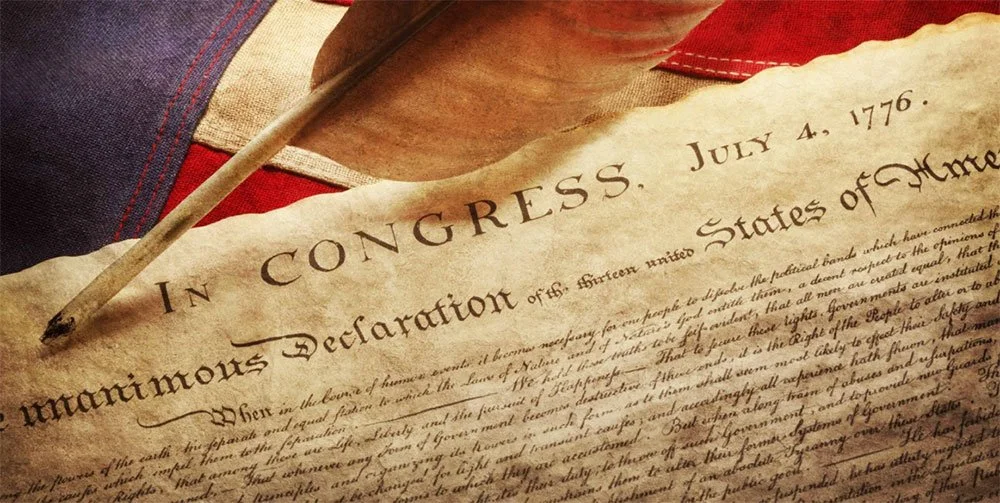
The Declaration of Independence made no reference to Jesus Christ and affirmed a generic theism – a belief in an unspecific and unspecified creator God. It was about the justification for the American colonies break with England and the English king; it was an expression of an unreflective popular piety – nothing more and nothing less.
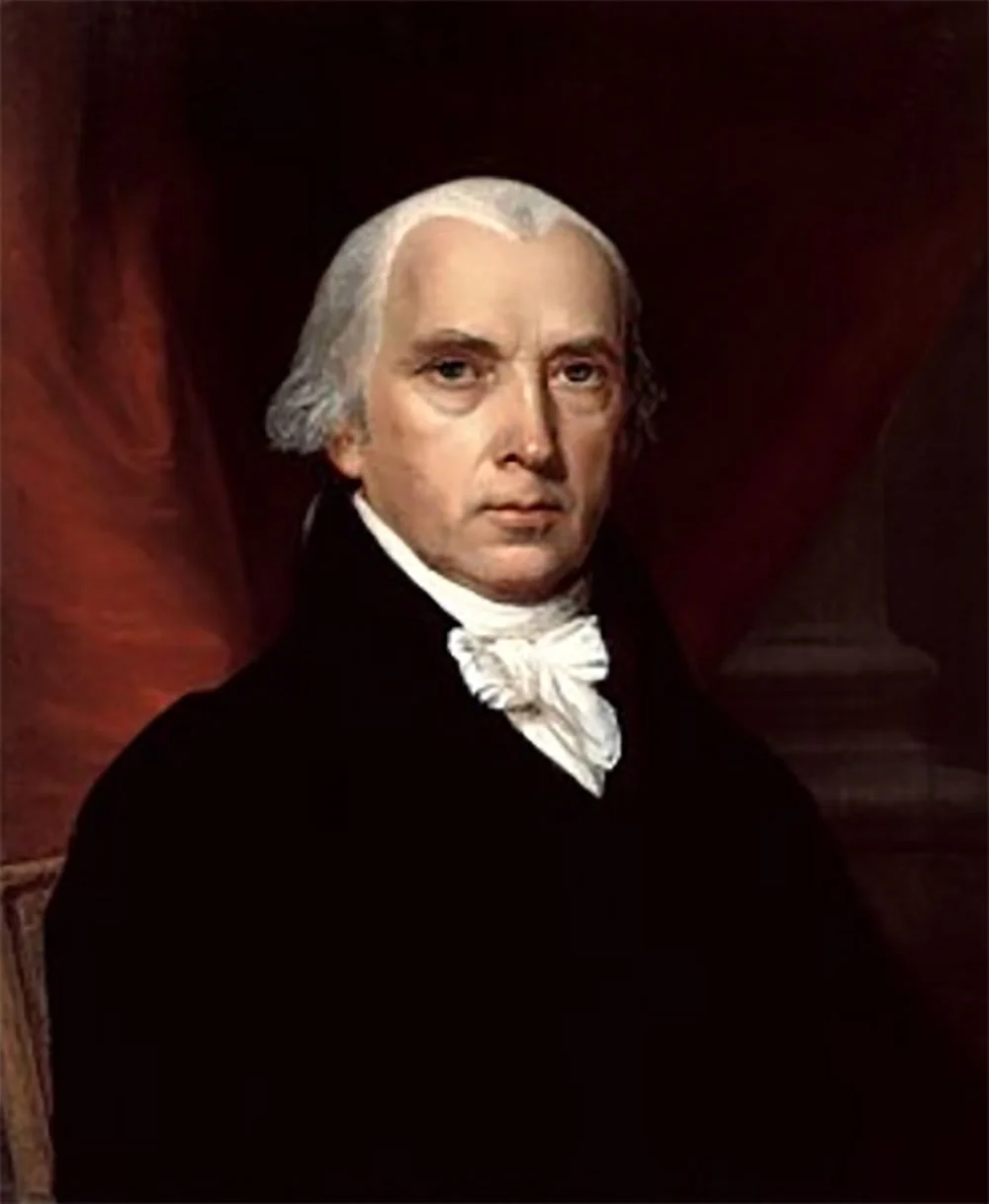
James Madison
And that (in)famous image of General George Washington kneeling in prayer at Valley Forge that will be so popular with christian nationalists and others as we approach July 4?
Here’s the response of University of Notre Dame Professor of American Studies Thomas A. Tweed (“Did Washington Kneel in Prayer at Valley Forge?” Yale University Press, July 1, 2025):
“So, to return to our question, did Washington kneel in prayer at Valley Forge? The short answer: probably not, as most historians suggest. But the long answer might be more interesting, and more helpful, for engaging friends or neighbors who disagree. Parson Weems, Washington’s early biographer, concocted that story - as well as the yarn about George and the cherry tree - to establish the moral character and personal piety of the first president and, thereby, advance a particular view of national belonging and church-state relations. There is some truth in the claim, and in the images. Washington did pray, though perhaps not the way Weems described, and he did attend church services, though not on Communion Sunday. Washington was not a conventional Christian, but he also wasn’t a church-hating atheist.
“What’s noteworthy about the claims and counterclaims about Washington praying at Valley Forge is that the debate reveals disputants’ deepest values. So, if citizens hope to cross divides and reduce polarization, it might help to ask conversation partners as the image circulates in the months ahead: What’s at stake for you in the debate about Washington praying at Valley Forge? The conversation might then shift to questions about the distinctive American solution to church-state relations, a solution Washington favored, as his private correspondence and official orders demonstrate.”
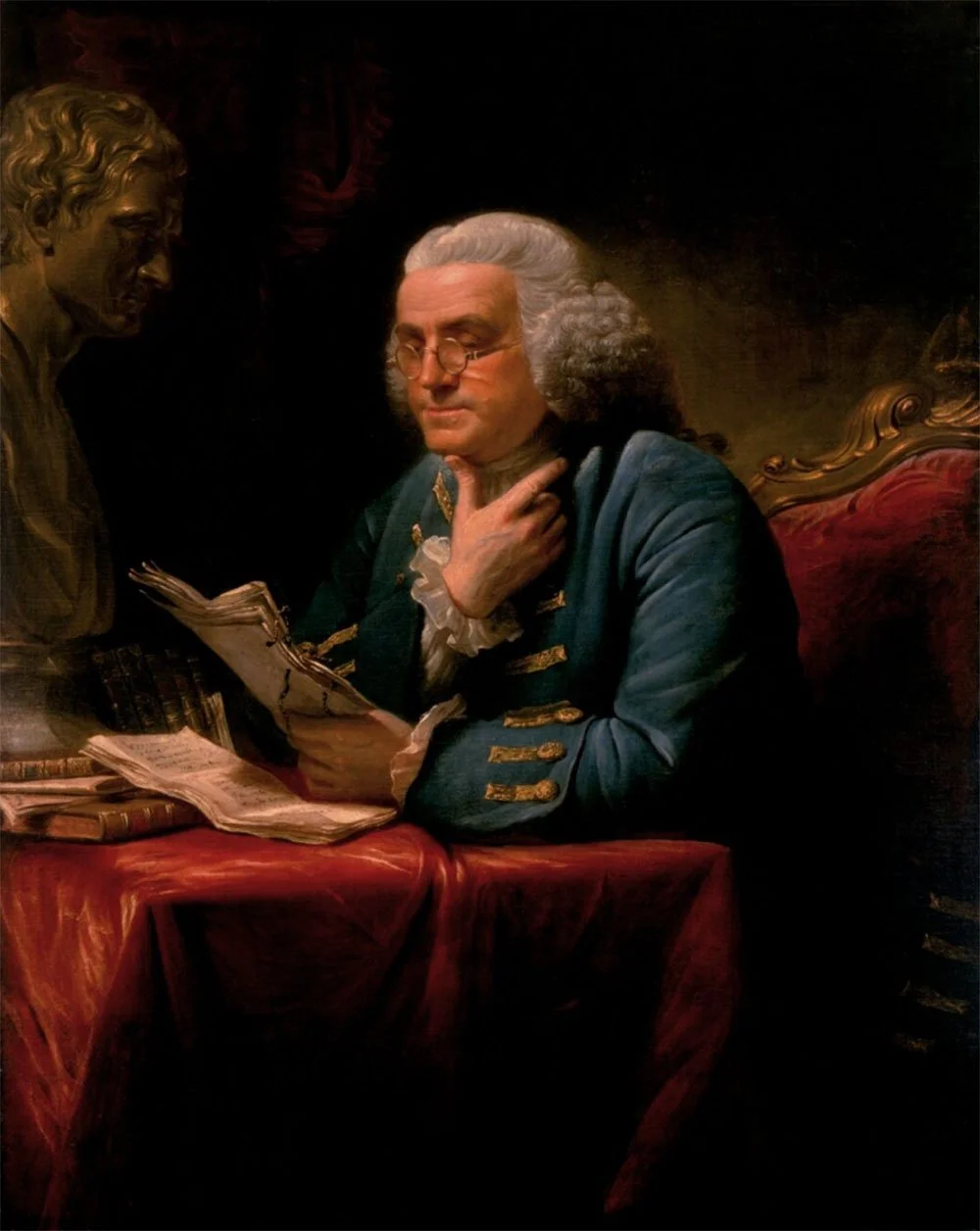
Benjamin Franklin
While the Constitution of the United States never explicitly mentions “God” or the “divine,” such references can be found at least once in each of the states’ constitutions and nearly 200 times overall. The constitutions of Colorado, Iowa, Hawaii and Washington use the word “God” at least once; Colorado, Iowa, and Washington also refer to a “Supreme Being” or “Supreme Ruler of the Universe,” and Hawaii’s single reference – in its preamble – says the people of the Aloha State’s are “grateful for Divine Guidance.”
Thirty-four state constitutions refer to God more than once; there are 14 mentions of a Supreme or Sovereign Being, seven of the “Creator,” three mentions of “providence,” four of the “divine” and 46 of the “almighty.” All but one use the word “Lord” as part of the phrase “the year of our Lord” – not direct references to God.
The Constitution of the United States supersedes those of Massachusetts, Maryland, New Jersey and North Carolina that required public officeholders to declare a “belief in the Christian religion” or Protestantism and the 1961 U.S. Supreme Court Torcaso v. Watkins decision overturned the Maryland Costitution’s requirement of “a declaration of belief in the existence of God” for someone to hold “any office of profit or trust in this State..”
And, in case anyone missed it, neither the Declaration of Independence nor the Constitution of the United States makes any reference to Jesus, Christ or Christianity.
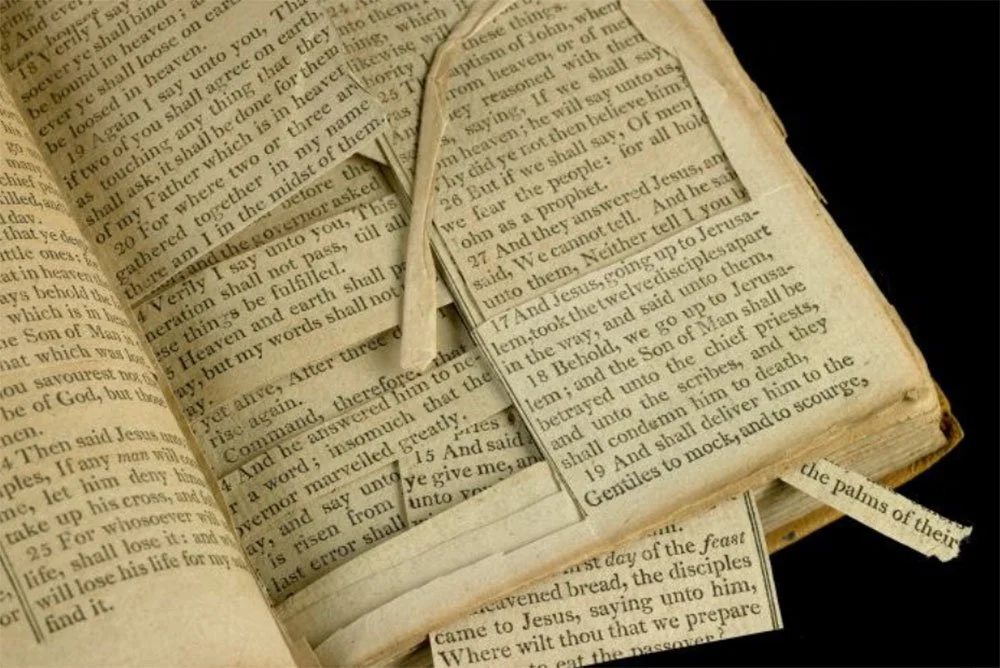
Jefferson Bible
Jefferson editing the New Testament is somewhat akin to DJT’s “friend” Chairman Xi Jinpng’s “quest to make the faithful serve the [Chinese Communist] party rather than God.” That is a quote from Wisconsin Republican U.S. Representative Mike Gallagher (“Chinese Community Party Government Rewrites Portions of the Bible,” Persecution.Org, July 20, 2023.).
The Foundation for the Defense of Democracy (“Thou Shalt Have No Other Gods Before Xi,” May 11, 2026, Samuel Ben-Ur) reports on the CCP’s rewriting of the Gospel of John 8:3-11 account of Jesus’ encounter with a woman caught in adultery. In a textbook published by China’s University of Electronic Science and Technology Press, Jesus challenges the would-be persecuting scribes and Pharisees “Let him who is without sin cast the first stone” and then, rather than tell the woman “go and sin no more,” Jesus acknowledges “I too am a sinner. But if the law could only be executed by men without blemish, the law would be dead.” In the 2020 CCP account, Jesus then stones her to death.
Under DJT’s friend and the CCP, the most critical line in the Judeo-Christian Scriptures – “You shall have no god before me” – was removed from a state-approved church in Henan Province and the first four Commandments, the entirety of Genesis and references to the “Lord” were removed from a Sunday school curriculum in 2018. In 2019, the CCP replaced the Ten Commandments with Xi Jinping quotes including “Use Chinese Culture to permeate faith” and “Follow the Party.”
It’s all part of the CCP “Sinicization” of religion in China – China’s version of christian nationalism.
Xi’s “Sinicization” is a four-generations-later version of “Entjudungsinstitut.” Hitler’s “Institute for the cleansing of Judaism from Christianity” was designed to cleanse the Protestant church of Germany of all ceremonies with non-Aryan influences and compile alternative scriptures derived from Nazi ideology. The prayer book “Germans With God – A German Book of Faith” contained a rewritten version of the Ten Commandments – including “Honor Thy Fuher and Master” and claiming that Jesus was not a Jew but the son of immigrants from Caucasia.
As Stephen King once wrote “Sooner or later, everything old is new again.” Hitler’s Bible. A Sinicized Bible. Perhaps the next edition of the DJT Bible will omit the pesky Second, Fourth, Seventh, Ninth and Tenth Commandments – the ones that say making (golden) idols, choosing golf over church and worship, adultery, and bearing false witness (like saying January 6 was “peaceful” and DC and Capitol police were aggressors), and coveting or sexually assaulting women - are definite no-nos.