
On Behalf Of A Grateful Nation
Before and after whatever he experienced during World War II, “Big Mike” was BIG.
Memories of more than fifty years ago are that from the time he woke in the morning until well after sunset his home was filled with music - Frank Sinatra or Italian opera.
With the advantages of time and perspective, it’s almost certain Big Mike lived with “shell shock” or “combat fatigue” or “war neurosis” and Ol’ Blue Eyes quieted the noises that filled his mind. Shell shock, combat fatigue, war neurosis and other phrases were neither scientifically nor clearly defined.
Post Traumatic Stress Disorder (PTSD) entered the psychological lexicon and popular lingo in 1980 – five years after the fall of Saigon - with the publication of the American Psychiatric Association’s Diagnostic and Statistical Manual of Mental Disorder III (DSM-III) – “the bible of mental health.”
Hundreds of thousands of American returned from Vietnam and other wars with mental health problems that went unadmitted, unrecognized and untreated.
The U.S. Department of Veteran Affairs (“PTSD: National Center for PTSD.” March 26, 2025.) reported data “from a large study of Veterans across the country.”
3% of WWII vets experienced some degree of “PTSD at Some Point In Life.”
10% of Vietnam vets
21% of Persian War vets
20% of Operation Iraqi Freedom and Operation Enduring Freedom
Remember, the stigma associated with seeking mental health care and the demand to “man up” prevent/prevented an unknown percentage of vets with PTSD from ever seeking help.
American Addictions Centers – VeteranAddiction.org (Statistics on Veterans and Substance Abuse, June 17, 2025) reported:
“Approximately 11% of veterans who visit a medical facility run by the Department of Veterans Affairs (VA) for the first time have a substance use disorder (SUD). Binge drinking, or consuming a lot of alcohol in a short time, is one of the more common issues that veterans face. Veterans may abuse substances in response to mental health disorders, to cope with readjusting to civilian life, or to manage pain. Substance use [by veterans] has been linked to trauma, homelessness, mental health disorders, physical health issues, increased risk of suicide, and problems in relationships and at work. Statistics on substance abuse in veterans show that among those who have SUDs:
More than 80% (nearly 900,000) abuse alcohol.
Nearly 27% (about 300,000) abuse illegal drug.
About 7% (almost 80,000) abuse both alcohol and illegal drugs.”
Illegal drugs are illegal and vet or no vet, if you are caught and criminally charged and convicted, you have a criminal record.
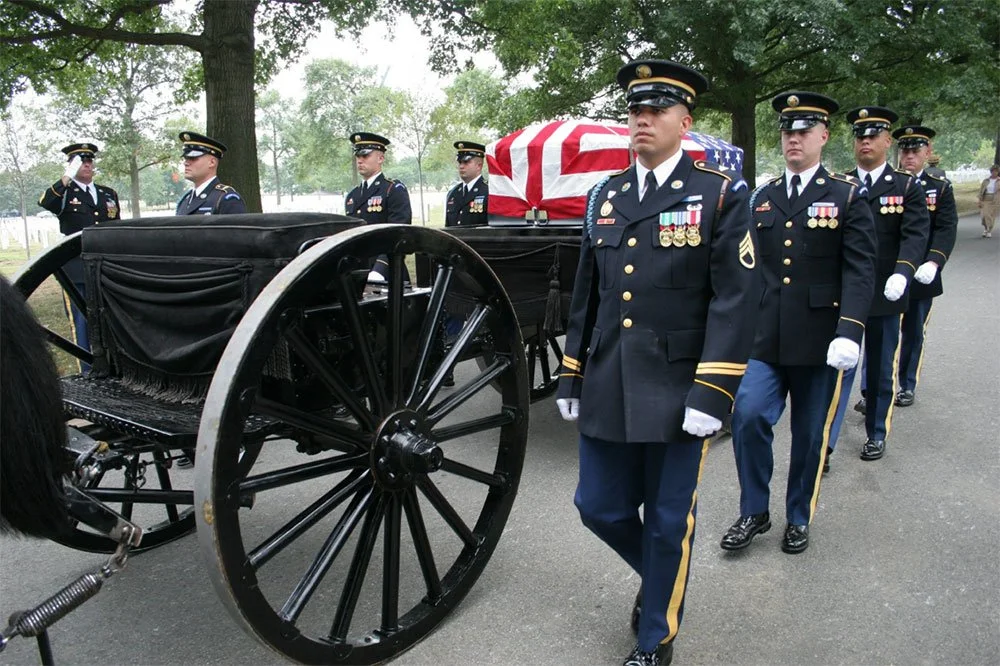
The reality is especially grim for noncitizen vets. PEW.org, an online publication of the Pew Research Center, (“Veterans Who Have Been Arrested or Incarcerated Are at Heightened Risk for Suicide,” November 8, 2023. Allison Corr.) reported:
“Veterans are one of the highest risk populations for suicide in the U.S. According to the Department of Veterans Affairs (VA), the suicide rate among veterans is almost 60% greater than it is for nonveterans. Veterans also have elevated rates of contact with the criminal justice system - which may range from arrest to sentencing to incarceration - and recent research suggests that this involvement can further exacerbate suicide risk.
“Numerous factors contribute to the high suicide rate among veterans. Many veterans face a range of difficulties when returning home and reintegrating into civilian life. Military service can result in serious health conditions, including post-traumatic stress disorder (PTSD), depression, substance use disorders, and chronic pain. Further, veterans often experience other significant life stressors when returning home, such as unemployment and unstable housing.
“Research suggests that these types of challenges make it more likely that veterans will become involved with the justice system. According to 2021 census data, veterans make up about 6.5% of the U.S. population, yet 31% of veterans have been arrested at some point in their lives compared with 18% of nonveterans. Data also shows that veterans account for nearly 8% of individuals incarcerated in state prisons and more than 5% of those in federal prisons. While the literature has not established a causal connection, it does indicate an association between justice system involvement and suicide, according to a recent report from the Council on Criminal Justice’s Veterans Justice Commission. A study from 2021 found that these veterans were almost twice as likely to make a suicide attempt than veterans with no justice involvement.”
Despite how much we would like to get directly to the punchline, let’s take a quick detour to Factlandia. (We can hear some folks saying: “Oh, here those priests go again! What’s with them and facts?”)
Approximately 4.5 percent of U.S. military veterans are/were foreign born.
At the request of General George Washington, Prussian-born Friedrich Wilheim von Steuben reformed the Continental Army into a disciplined, professional fighting force and is considered one of the founders of the United States Army.

With only a grade school education, a history of six different jobs and two failed businesses, Thomas Paine was teetering on personal bankruptcy and debtors’ prison when he accepted Benjamin Franklin’s 1774 suggestion that he emigrate to the Colonies. Published on January 10, 1776, his Common Sense established the intellectual basis for colonists’ demands for independence and The American Crisis, published December 19, 1776, provoked a revolutionary consciousness with the immortal lines
“These are the times that try men’s souls. The summer soldier and the sunshine patriot will, in this crisis, shrink from the service of his country; but he that stands by it now, deserves the love and thanks of man and woman.
“Tyranny, like Hell, is not easily conquered; yet we have this consolation with us, that the harder the conflict, the more glorious the triumph. What we attain too cheap, we esteem too lightly: it is dearness only that gives every thing its value…”
At this writing (January 5, 2026), since it was first established in December 1861, the Medal of Honor – the nation’s highest military honor for valor above and beyond the call of duty – has been awarded approximately 3,547 times to 3,528 recipients. (Properly titled the Medal of Honor, it is presented with the approval of Congress. Thus, the confusion in names.) The Congressional Medal of Honor Society reports:
“[T]here have been at least 757 foreign-born Recipients, and not all of them chose to become citizens. Ireland and Germany are the most common non-U.S. birth locations.”
There have been only 19 dual-recipients. Among them:
Croatia-born Marine Louis Cukela (Vjekosla Lujo Cukela) received both the Army and Navy Medals of Honor for his heroism in the Battle of Belleau Woods (France) during World War I. Throughout his life, Cukela’s nationality – Austrian, Slav, Yugoslav, Serb, Croat - was challenged. His typical response was that he was an “American Marine.”
Marine Sergeant Matej Kocak was born in Slovakia (the Austro-Hungarian Empire) on December 3, 1882, emigrated to the United States in 1906 and enlisted in the Marine Corps the following year. He was awarded the Navy and Army Medals of Honor for his service in France during World War I. (Over time, the Medals of the services were redesigned. Today there are three Medals: the Navy, Marine Corps and Coast Guard use the original (1861) design; the present Army Medal was designed in 1904; the Air Force design was established in 1965.)
On November 6, 2024, the U.S. Citizenship and Immigration Services reported:
“Since 2002, we have naturalized more than 187,000 members of the U.S. military, both at home and abroad. Naturalization ceremonies have taken place in more than 30 countries from Albania to the United Arab Emirates. In the last five years (fiscal years 2020 – 2024), we have naturalized more than 52,000 service members. In FY 2024, we naturalized more than 16,290 service members, a 34% increase from the previous year.”
Congress.Gov (“Foreign Nations in the U.S. Armed Forces: Immigration Issues” August 19, 2024) reported:
“As of February 2024, more than 40,000 foreign nationals were serving in active and reserve components of the Armed Forces. An estimated additional 115,000 foreign nationals residing in the United States are veterans who have previously served on active duty.”
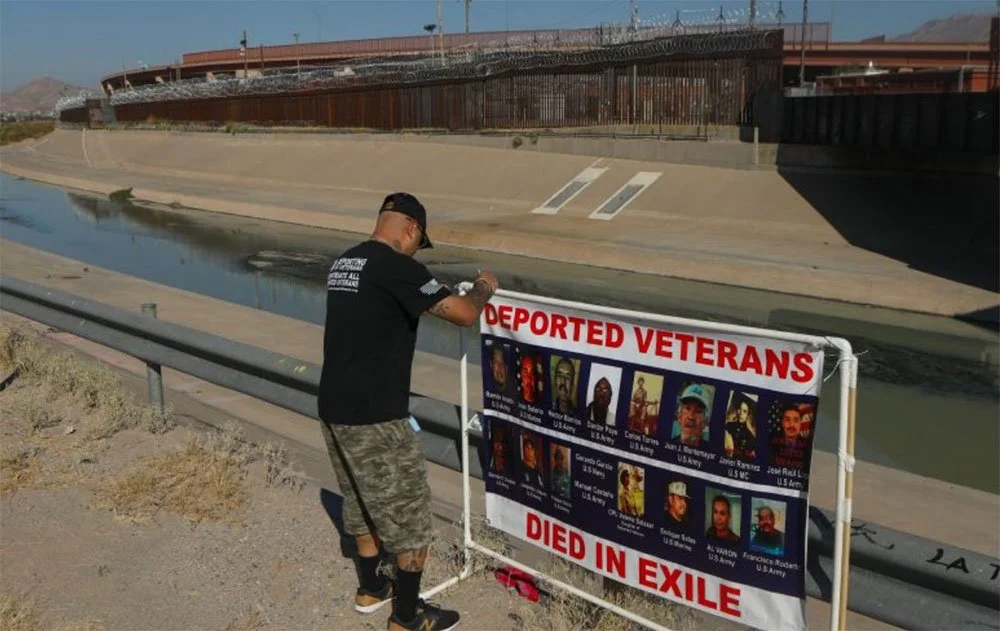
When (if) the definitive history the America’s military services is finally written, it might include the chapter “The Deportation of Men and Women Who Served with Courage and Patriotism.” The author could open by quoting the independent, nonprofit news organization The AZMirror (“Veterans condemn deportations of immigrant service members under Trump,” November 20, 1915. Glorida Rebecca Gomez.):
“In an effort to deliver on Trump’s mass deportation promise, immigration enforcement activity has surged, and noncitizen service members, who were previously afforded limited protections from detainment and removal, have been caught in the crosshairs.
“The deportation of veterans has been an ongoing issue, though a spotlight on an increase of removals by the Trump administration has prompted vocal criticism. In 2021, [President Joe] Biden issued an executive order that resulted in the creation of the Immigrant Military Members and Veterans Initiative, which worked to prioritize the return of deported veterans and their families.
“Signing up to join the military doesn’t require citizenship, just lawful permanent residency. During Joe Biden’s presidency, U.S. Immigration and Customs Enforcement agents were directed to take a person’s military record into consideration before arresting them. But under Trump, that guidance was replaced in April with a memo emphasizing that, while it would still be considered, military service alone doesn’t ‘automatically exempt aliens from the consequences of violating U.S. immigration laws.’
“It’s unclear how many foreign-born veterans have been deported since Trump took office. Some estimates project as many as 10,000 were expelled from the country between January and June, according to a letter sent to the U.S. Department of Homeland Security by Democratic members of Congress…
“Chris Hill, an organizing fellow with the progressive veterans group Common Defense, added that the government needs to improve its naturalization processes for military members. He noted that the current process puts too much of the burden on military members themselves, and he’s heard about several cases when a person’s citizenship application was waylaid by a deployment order that made them miss critical court appointments.”

Again, from the PEW report:
“During incarceration, most veterans are disconnected from their VA-funded health care and instead receive care through correctional facilities. Such services may not be tailored to meet veterans’ health needs, especially screening and treatment for mental health conditions and suicide risk. Veterans who have had contact with the justice system are a population with particular mental health needs. Research estimates that at least half of this population has a substance use disorder and/or mental health condition and are more likely to experience psychiatric diagnoses and symptoms, including substance use disorders, than their counterparts who are not involved with the justice system.
“’Contact with the criminal justice system can disrupt health care, cause financial stress, and create multiple other hardships for veterans,’ said Veterans Justice Commission Director Jim Seward. ‘But there’s an opportunity here, too. If we can identify and screen justice-involved veterans for PTSD and other conditions that increase their risk of suicide and criminal behavior, we can connect them with services to reduce those risks.’”
On June 24, 2025, ten members of Congress addressed a letter to the Secretaries of Defense, Veteran Affairs and Homeland Security noting “Some estimates state that the number of deported veterans is over 10,000 individuals or even higher [during the first six months of the current administration].”
In 2011, Navy vet Alex Murillo was deported to Mexico; he spent eleven years separated from his family before being repatriated. The son of immigrants, he serves as an advocate for exiled vets. He offered a personal insight into the experience of other vets (“Deporting veterans betrays America’s promise.” Prismreports.org, April 7, 2025):
“An estimated 94,000 veterans do not have U.S. citizenship, leaving them vulnerable to detention and deportation. Immigration and Customs Enforcement (ICE) does not report the veteran status of people who have been deported, so the exact number of deported veterans is almost impossible to know…
“Veterans, regardless of their immigration status, have already proven their dedication to this country in ways most Americans never have the chance to. To cast them aside is an affront to their service and to the ideals of justice and fairness that define our democracy. Instead of finding new ways to criminalize our neighbors, we should work to ensure that our broken immigration and asylum systems are finally fixed.”
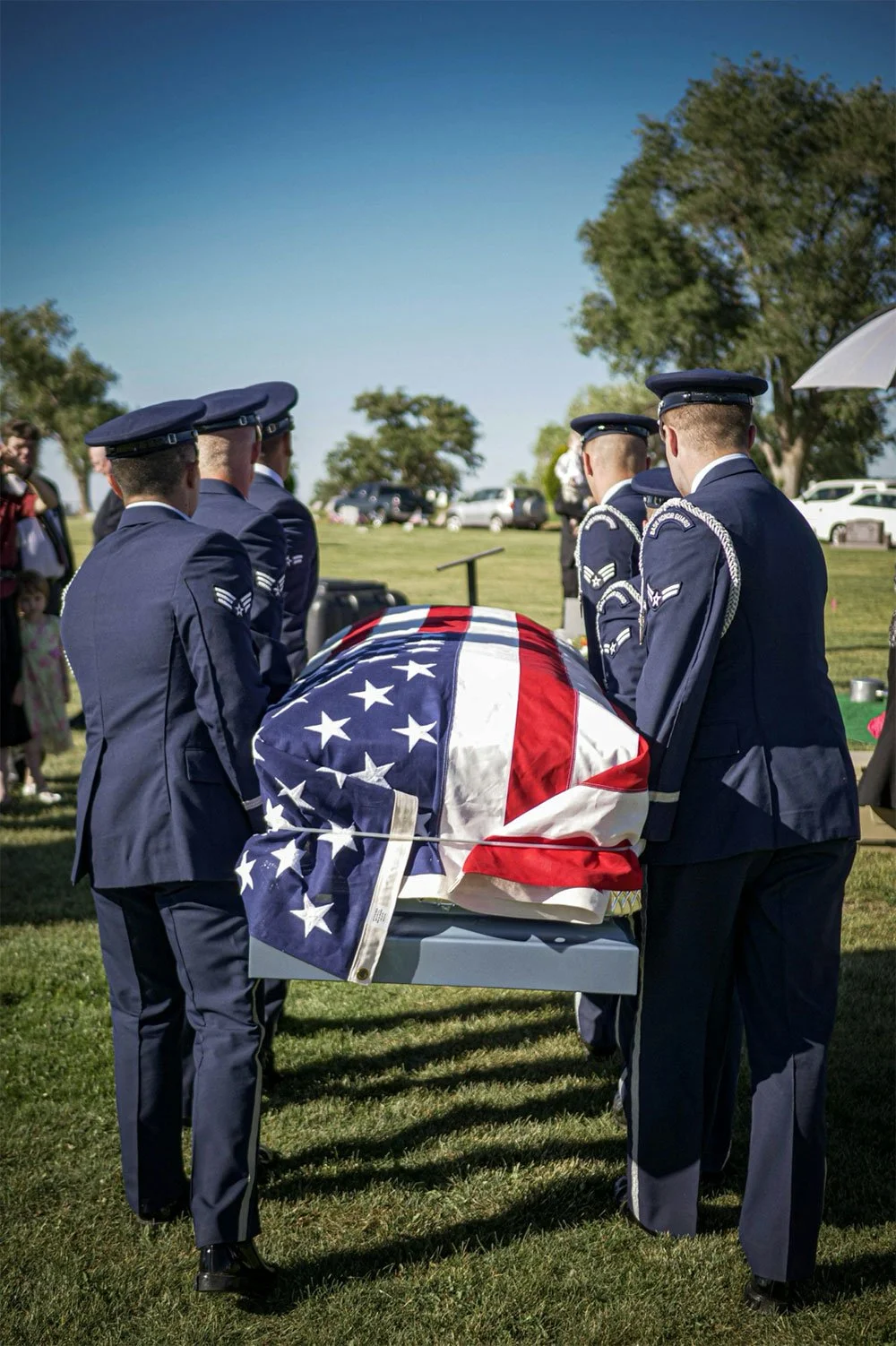
In the closing moments of a military funeral, the flag that covered the coffin of the deceased veteran is folded and presented to a representative of his or her family with the words "On behalf of the President, the United States Army, and a grateful nation, please accept this flag as a symbol of our appreciation for your loved one's honorable and faithful service".
The son of immigrants, like many from The Greatest Generation, Big Mike served courageously, faithfully and well and (we can only imagine) without considering the nationality, skin color, religion or immigration/citizenship status of the men in front of and behind him, to his left and right. They served and fought together – comrades in arms. And they “came home” to suffer their internal pains alone, sometimes attempting to drown out the noise and images with Ol’ Blue Eyes or opera, sometimes with alcohol or drugs, sometimes with whatever worked.
Later vets did much the same. But, if their immigration/citizenship status was – for whatever reason – unresolved or challenged, the present administration is more than willing to expel them to a maximum-security prison in El Salvador or to South Sudan or Venezuela…
It’s time to ask “What do we mean by ‘a grateful nation?’”