

“Do not fret because of evildoers
or be envious of the wicked,
for the evildoer has no future hope
and the lamp of the wicked
will be snuffed out.”
Proverbs 24: 19-30
“Of course there’s hell.
I believe in Hell.
I’ve made reservations for a
bunch of folks and call
every year to confirm them.”
Father Skip Flynn, M.Div., Psy.D.
Catholics – at least the Roman ones of the 1940s, ‘50s and ‘60s – used to believe some strange stuff.
I still remember thinking “That can’t be right” when a rather rotund Redemptorist priest preaching a “parish retreat” at South Miami’s Epiphany Church told the tale of a mafia don who, on his way to his mobbing job, stopped every day to “light a candle” in front of a statue the Virgin Mary. On his death – Catholics referred to “at his particular judgment,” St. Peter shook his head and awarded him a Monopoly-like card directing him “Go to Hell. Go directly to Hell. Do not pass Go. Do not collect $200.”
As he trudged away, according to the priest, the Virgin Mary poked her head around a celestial corner. “Pssst! Come with me. Because you’ve always lit candles to me, I’ll sneak you in the back door.”
“What the…?” I thought. “That’s not right!”
Cute (almost quaint) story. Bad theology!!!
How about… The late ‘70s brouhaha over “communion in the hand.” “Sweet Lord,” I thought when some folks swooned in dismay at the idea. One friend – with a master’s degree in religious education – queried, “Why is it okay to place the consecrated bread – the Body of Christ - on a gold-plated piece of tin but not into the hands of a duly baptized Christian?”
In seventh grade, Johnny (We’re redacting his name because of his FBI ties.) told Sister Mary Paraclete, “I was just thinking: If everybody came from Adam and Eve, it would have to mean that Cain and Abel had sex with their own sisters.” “Shut up and don’t ask any more questions,” came the response.
At the same time, there were – are – “Catholic things” that make (pardon the phrase) perfect sense. And even better-than-perfect sense with a little reflection.
Hell is a better-than-perfect idea.
Granted, when asked about Hell in a January 14, 2024 Italian television interview, Pope Francis responded, “What I am going to say is not a dogma of faith but my own personal view: I like to think of hell as empty; I hope it is.”
Note please: He did not deny the existence of Hell; he simply expressed the hope that it is empty.
In today’s political world, Hell and Hell for-all-eternity make perfect sense. In paragraphs 1033 – 1037, The Catechism of the Catholic Church is clear:
“We cannot be united with God unless we freely choose to love him. But we cannot love God if we sin gravely against him, against our neighbor or against ourselves: ‘He who does not love remains in death. Anyone who hates his brother is a murderer, and you know that no murderer has eternal life abiding in him.’ (John 3:14-15) Our Lord warns us that we shall be separated from him if we fail to meet the serious needs of the poor and the little ones who are his brethren. (Matthew 25:31-46) To die in mortal sin without repenting and accepting God's merciful love means remaining separated from him forever by our own free choice. This state of definitive self-exclusion from communion with God and the blessed is called ‘hell.’
“… Jesus solemnly proclaims that he ‘will send his angels, and they will gather… all evil doers, and throw them into the furnace of fire,’ and that he will pronounce the condemnation: ‘Depart from me, you cursed, into the eternal fire!’ (Matthew 13:41-42)
“The teaching of the Church affirms the existence of hell and its eternity. Immediately after death the souls of those who die in a state of mortal sin descend into hell, where they suffer the punishments of hell, ‘eternal fire.’ (Matthew 25:41) The chief punishment of hell is eternal separation from God, in whom alone man can possess the life and happiness for which he was created and for which he longs…
“… God predestines no one to go to hell; for this, a willful turning away from God (a mortal sin) is necessary, and persistence in it until the end….”
“God predestines no one to go to hell.” Wow! The straight-out theological fact (if theology has “facts”) is that, like “the Unjust Judge” (Luke 18:4) who declares “I care neither for God nor for His people,” men and women choose Hell for themselves. And, like Michael Corleone of The Godfather, they make the choice over and over and over again. No! Not choice. Choices!
“The safest road to hell is the gradual one –
the gentle slope, soft underfoot,
without sudden turnings,
without milestones, without signposts.”
C.S. Lewis

First, a small step. Away from God and His people. Then another. And another. And another. Finding joy in the suffering of others, in the accumulation of wealth they can never “take with them.” Comforting themselves in gold adornments that cannot bring salvation. Exercising cold, premeditated (often sneaky and hidden because of their cowardice) savagery. Until one is so far away from God and His people and caught up in his or her arrogant pride - so encased in a self-constructed sarcophagus-of-pride, so consumed by their sense of entitlement, so bloated by unearned confidence in their self-proclaimed all-knowing and better than any other child of God - that their soul dies before their body. They are incapable of genuinely thinking of anyone but themselves. So arrogantly sinful – that, like Michael Corleone at the baptism of his nephew, they stand soulless – separated by their own will and action from God and His people.
“Are they ashamed of their detestable conduct?
No. They have no shame at all;
they do not even know how to blush.
So they will fall among the fallen;
they will be brought down when they are punished,
says the Lord.”
Jeremiah 8:12
“It's not a question of God 'sending' us to Hell.
In each of us there is something growing up
which will of itself be Hell
unless it is nipped in the bud.”
C.S. Lewis
The Hermitage
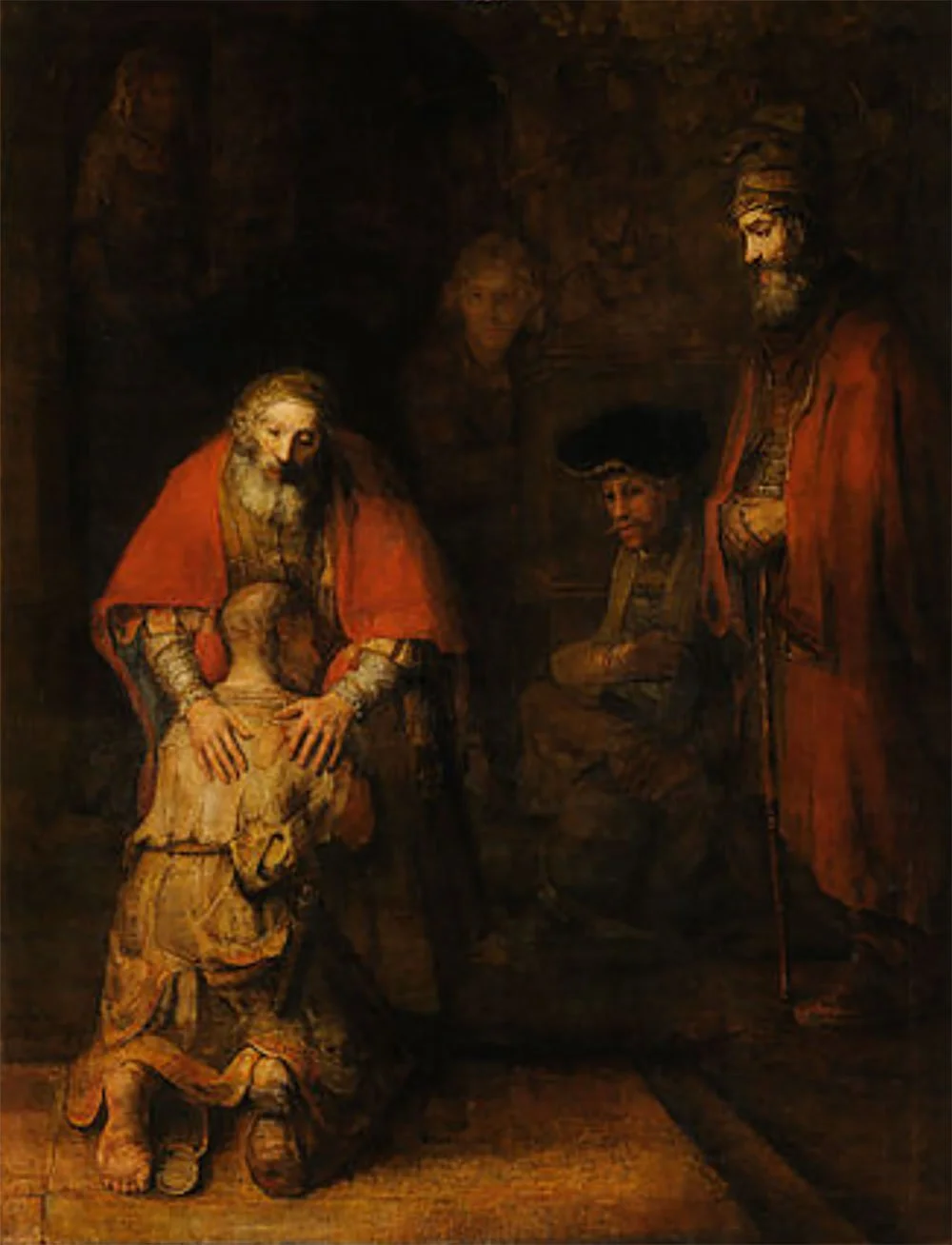
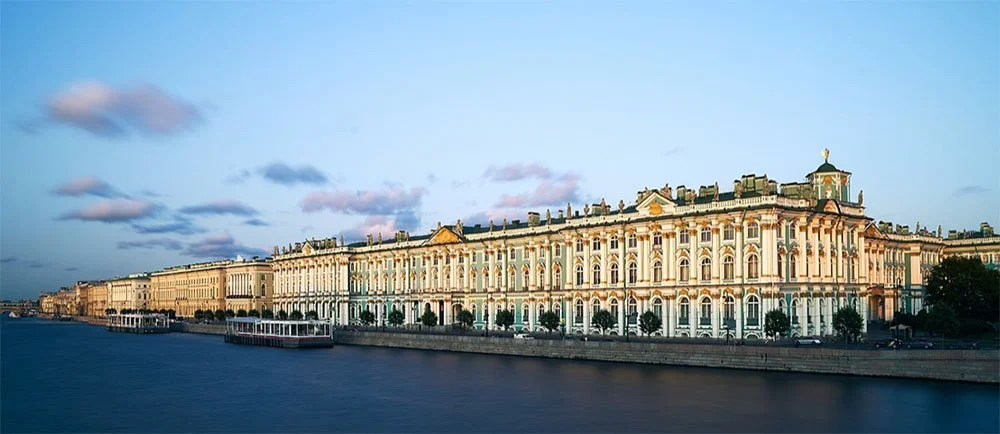
Founded by the Russian Empress Catherine the Great, Saint Petersburg’s Hermitage Museum, the world’s largest collection of paintings, is home to Rembrandt’s The Return of the Prodigal Son. Massive – 103” x 81” - it does not focus on the arrogant son who insisted “Father, give me my share of the inheritance that will come to me on your death” and then squandered it “on desolate living.” The son was the embodiment of pride: The attitude – “I alone matter” - and its consequences – the “othering” of the Children of God - that he tip-toed to the edge of rejecting God Himself.
The work tells us about the nature of God as Father – waiting, arms open, willing to accept and embrace.
Jesus’s “Parable of the Prodigal Son” (Luke 15:11-32) outlines for us the path to salvation: “I shall humble myself, return to my father and confess ‘I have sinned against you and your people. Please accept me….’”
The sin that leads to Hell is indifferent to or takes joy in the suffering of others; it is cold, premeditated, unrelenting and fully self-centered.
The behavior – the actions – leading to hell is constant, repeated – an on-going movement away from what is good and right and just – and about raw power: “I will make myself like the Most High.” (Isaiah 14:14)
In his decision “I will return to my father and say ‘I have sinned against Heaven and against you,’” the prodigal son abandons his pride; he humbles himself. Those who condemn themselves to Hell have moved so far from God and His people, that – in their pride and sense of entitlement – they become incapable of such an admission. They choose eternal separation and self-exclusion from God and his people. They say “No” right up to the moment when there will be no other moment.
The damned soul feels not simply the pain of the loss of God’s love, but the loss of everything – goodness, truth, beauty, peace, home, respect – and they blame God for their loss. They refuse to recognize – in their “I am all that matters” arrogance they cannot recognize - that it was through their own choices – repeated, step after step after step – that they have fortified their particular Hell for all eternity against the all-encompassing love of God. From the moment after which there is no other, there can be no return to the Waiting Father.
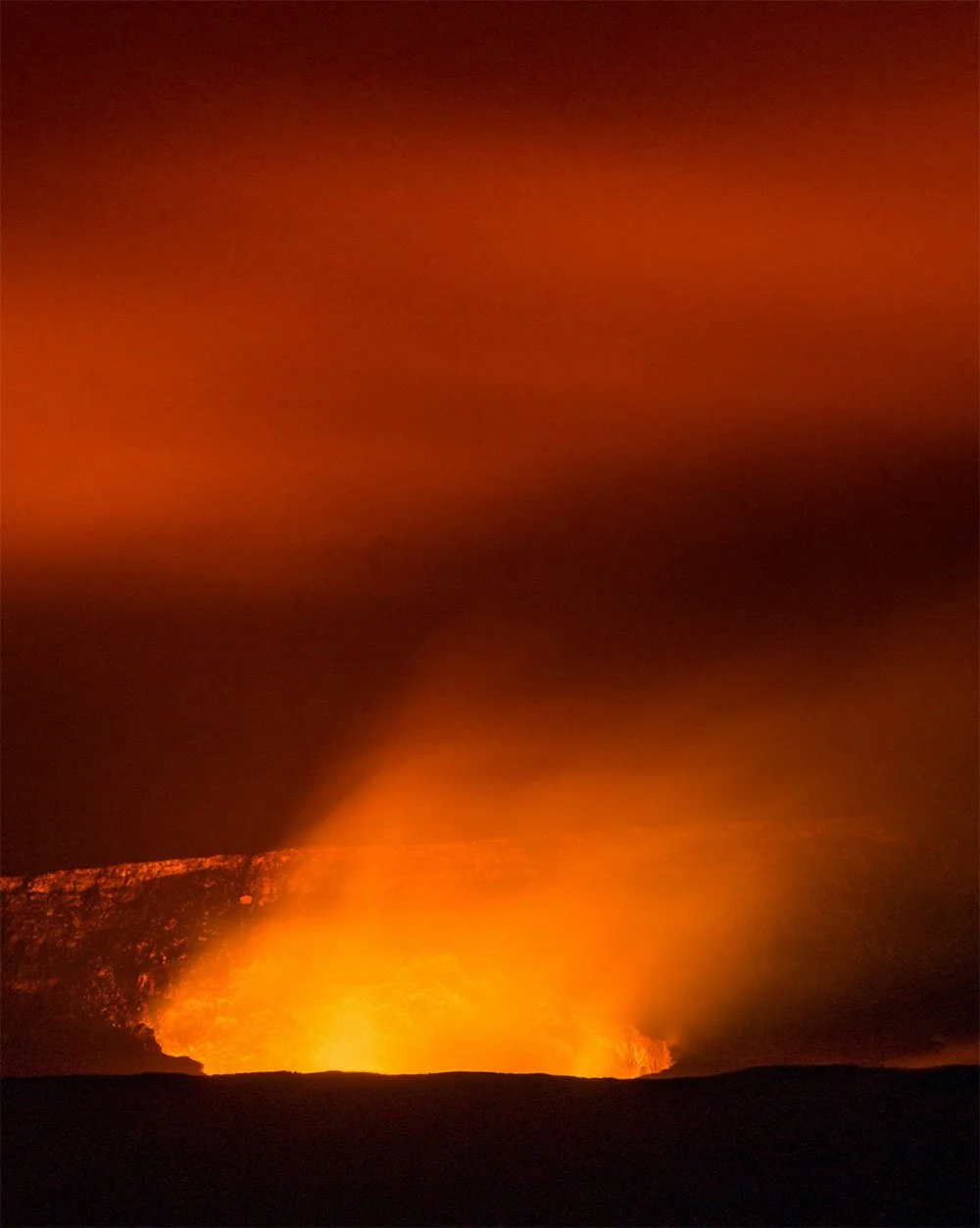
The self-damned will spend their inconceivable eternity in the company of rapists and murderers, thieves and hypocrites, habitual and congenital liars, ego maniacs and megalomaniacs, practitioners of every conceivable type of perversion. Each and all – like themselves – hopeless, bitter and resentful.
“In hell, the prideful, violent inmates all hate each other.
They want to lash out at all the
other prideful, violent inmates.
Hell is not a loving or friendly environment.
It’s not a calm or peaceful place.”
Hell (A Guide)
Anthony Destefano
Imagine, if you can, the horror of spending not a year or a decade, not a century or millennium, but all eternity with the most miserable of the most miserable of Creation. That is the reality of Hell from which no amount of gold can purchase escape, from which no number of lies can bring freedom, because it has been chosen for all eternity – beginning the moment after which there can be no other.
“The simple rule is this: the further away
from God a person is in this life,
the further away he will be from
beauty, order, health, happiness, and vibrancy in the next…
“All the suffering in hell is self-inflicted
and comes as a natural result of
loving evil and leaving God behind.
Those who deny the eternal nature of hell
simply don’t want to accept the fact
that people do have a choice to do evil
and to remain obstinate in that evil….”
Anthony DeStefano

A final thought…
“Then the King will say to those on his left,
‘Depart from me, you who are cursed,
into the eternal fire prepared for
the devil and his angels.
For I was hungry and you gave me nothing to eat,
I was thirsty and you gave me nothing to drink,
I was a stranger and you did not invite me in,
I needed clothes and you did not clothe me,
I was sick and in prison and you did not look after me.’
They also will answer,
‘Lord, when did we see you hungry or thirsty
or a stranger or needing clothes
or sick or in prison, and did not help you?’
He will reply, ‘Truly I tell you,
whatever you did not do for one of the least of these,
you did not do for me.’
Then they will go away to eternal punishment,
but the righteous to eternal life.”
Jesus
Matthew 25: 41-46